Heyy,
I’ve been thinking a lot about language lately. Probably because many moons ago I moved to a different city.
Now, I’m not new to Shona. I don’t get by. Actually, allow me to blow my own horn and say I am badass. I understand most of what’s being said, I can respond (sometimes confidently, sometimes… with vibes), and I’m always trying to learn more. But moving here made me realise something deeper and that is language is not just about communication. It’s about power, belonging, effort, and sometimes… ego.
One of the first things I noticed after moving was how little grace people sometimes have for those who don’t speak a language fluently. There’s this quiet impatience. The eye-rolls. The switching back to Shona even when it’s clear someone is struggling. That subtle feeling of you should already know this.
And I get it. Truly. This is home for many people. Why should they have to adjust?
But here’s the thing: accommodation isn’t about abandoning your language. It’s about making space for another human being.
What made this thought uncomfortable is that I’ve also seen the flip side. I know people who speak my language who now live in Shona-speaking spaces and have been for years but still refuse to even try. People who dismiss Shona as unnecessary. People who laugh it off, or worse, look down on it.
And honestly? That’s just as wild.
So here we are, all of us, doing the same thing we complain about; refusing to meet each other halfway.
Language is emotional. It carries history, identity, pride, and sometimes pain. When someone doesn’t speak your language, it can feel like rejection. When someone refuses to try, it is rejection. But when someone is trying and I mean really trying, the least we can offer is patience.
I don’t think the issue is who speaks what language best.
I think the issue is attitude.
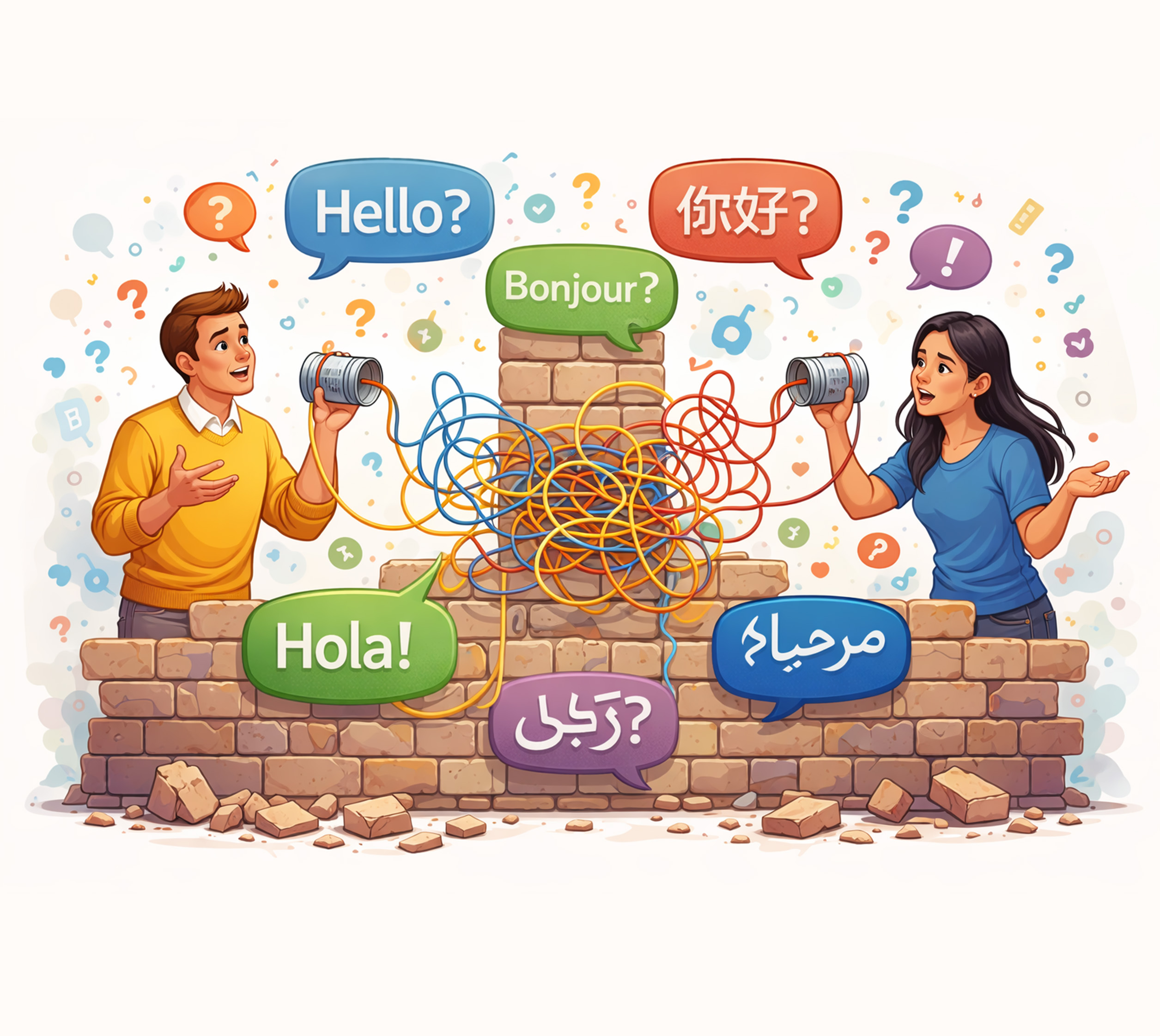
Because language can be a bridge, or it can be a weapon.
You can use it to include: slowing down, translating, switching when necessary.
Or you can use it to exclude: to assert dominance, to make someone feel small, to remind them they are not from here.
And before anyone gets defensive (because I know we love doing that), this isn’t an attack. It’s an observation. A gentle one. A human one.
We are a country of many tongues, many movements, many migrations. People move for work, for love, for survival, for hope. And when they arrive somewhere new, the first thing they need isn’t perfection, it’s kindness and I know I needed that.
So, maybe the conversation we should be having isn’t about which language should dominate.
Maybe it’s about how we show up for each other in shared spaces.
With curiosity.
With grace.
With less judgement.
I’m still learning. Still listening. Still getting words wrong. Still being corrected (sometimes nicely, sometimes not 😅).
But I’m trying.
And I think that’s all any of us can really ask for — effort, met with empathy. And in return? I am more than willing to share my language, as long as we remember that no one learns in an environment where they’re made to feel small.
I’m curious to know your thoughts…if you moved to a different place, did you feel “shut out” by the language? Or, if you’re a local, do you get annoyed when people live for years and don’t bother to learn the basics?
Love & Light 🧡


 A Page In the Life
Leave a comment